

 العربية


Difference between Load Break Switch and Circuit Breaker
Introduction
In the field of electrical engineering, the safety and efficiency of electrical systems are critical. Load break switches and circuit breakers are two critical components that help manage electrical circuits and protect equipment from potential damage. While they may appear to have identical functions, understanding their differences is critical for picking the best device for a given application.
Load break switches and circuit breakers are critical components of electrical systems, performing separate but complementary roles to maintain the safety and functionality of power distribution networks.
In this blog, we will talk more about the differences between load break switches and circuit breakers. And Also ABB ua75-30-00ra
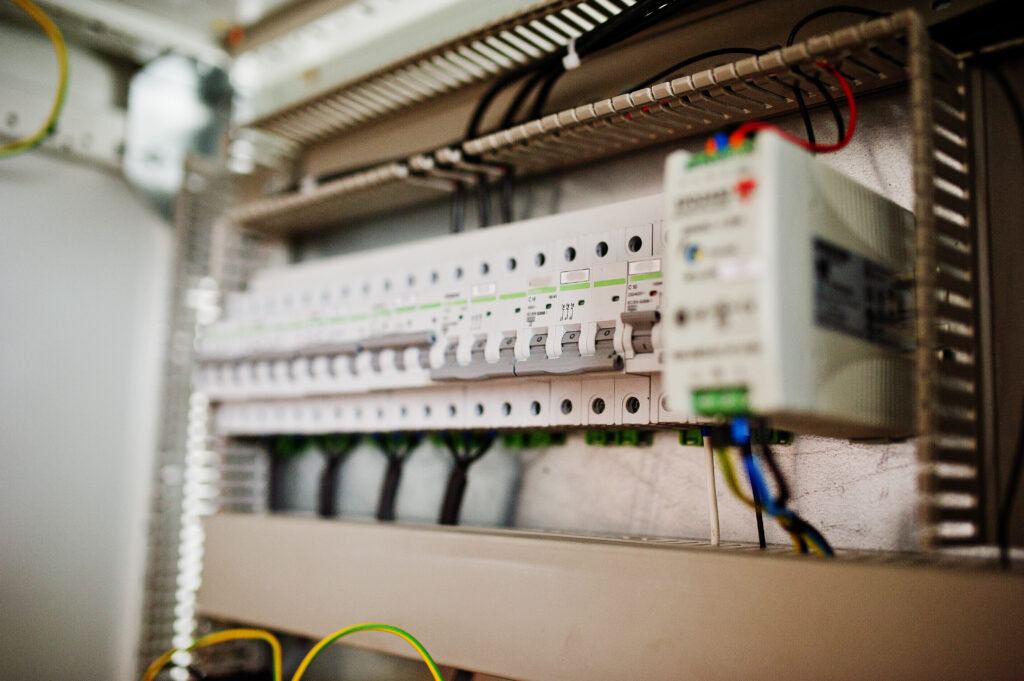
Load Break Switches
Load break switches, commonly referred to as disconnect switches or isolation switches, are mechanical devices that interrupt or isolate electrical circuits during normal operation. They let you to isolate circuits for maintenance, repairs, or emergencies without affecting the rest of the electrical system.
Key Features:
- Circuit Isolation: Safely isolates sections of the electrical circuit, protecting maintenance personnel and equipment.
- Load Breaking Capability: Designed to interrupt current under load and handle varying load levels, including moderate fault currents.
- Manual or Motorized Operation: Available in manual or motorized versions for local or remote operation.
- Visible Contacts: Allows operators to visually confirm whether the switch is open or closed.
- Weatherproof and Insulated Design: Built to withstand harsh environmental conditions while ensuring electrical safety and reliable performance.
Circuit Breakers
Circuit breakers are automatic electrical switches that safeguard electrical circuits from damage due to overcurrent, short circuit, or ground fault events. They work by automatically blocking the flow of current when abnormal conditions are detected, preventing equipment damage and reducing the risk of fire or electric shock.
- Overcurrent Protection: Circuit breakers include trip mechanisms that detect abnormal levels of current flowing through the circuit.
- Short Circuit Protection: Circuit breakers can immediately detect short circuit problems by opening the circuit and isolating the faulty area from the remainder of the system. This helps to prevent serious damage and reduce downtime.
- Thermal and Magnetic Tripping Mechanisms: Circuit breakers use both thermal and magnetic trip mechanisms to give complete protection against overloads and short circuits.
- Resettable: Unlike fuses, circuit breakers can be reset after a trip, eliminating the need for replacement components and lowering maintenance costs.
Difference between Load Break Switch and Circuit Breaker
You Can review : Load Break Switches
Aspect | Load Break Switches | Circuit Breakers |
Primary Function | Used to connect or disconnect circuits under normal load conditions and provide isolation for maintenance | Designed to interrupt the current during overloads or short circuits automatically |
Protection | Do not provide overcurrent or short-circuit protection | Protect against overloads, short circuits, and ground faults |
Operation | Operated manually or motorized; no automatic tripping | Can operate manually, motorized, or automatically when a fault occurs |
Typical Applications | Distribution systems, substations, and industrial installations for isolation | Residential, commercial, and industrial systems for circuit protection |
Trip Characteristics | No tripping mechanism | Equipped with thermal, magnetic, or electronic trip units |
Types of Load Break Switches and Circuit Breakers
Load break switches and circuit breakers are essential components in electrical distribution systems, helping to control power flow and protect circuits from faults.
Load break switches are primarily used to switch and isolate circuits under normal operating conditions. They come in several types:
- Air break switches: Use air to extinguish the arc, commonly found in low-voltage applications.
- Oil break switches: Use oil for arc quenching, offering insulation and cooling, typically used in medium-voltage systems.
- Vacuum break switches: Use a vacuum to interrupt the arc, providing high reliability and strong dielectric performance for high-voltage installations.
Circuit breakers, in contrast, are designed to automatically interrupt current when abnormal conditions occur, such as overloads or short circuits, protecting equipment and preventing hazards. They include:
- Thermal-magnetic breakers: Combine thermal and magnetic mechanisms to handle overloads and short circuits.
- Electronic breakers: Use solid-state components for fast and precise fault detection.
- Differential breakers: Detect current imbalances and are commonly used for ground fault protection in sensitive circuits.
Both load break switches and circuit breakers serve distinct but complementary roles, ensuring electrical systems operate safely, reliably, and efficiently. If you’re looking for a ABB medium voltage distributors Contact us now!
Final Thoughts
To summarize, understanding the differences between load break switches and circuit breakers is critical for proper electrical system design and operation. While both devices contribute to the safety and dependability of electrical networks, their different functionality and applications involve careful thought when choosing the best solution for a specific need.
Contact us today to learn all about our electrical services and solutions.
FAQs
What is a circuit breaker?
A circuit breaker is an automatic switch that protects electrical circuits from overloads, short circuits, and faults by interrupting the current. It prevents equipment damage and safety hazards and can be reset after tripping.
Is a breaker AC or DC?
Circuit breakers can be designed for both AC and DC systems, depending on the application and voltage requirements.